
Living With Vitality (And Why It Matters More Than Ever in Midlife)
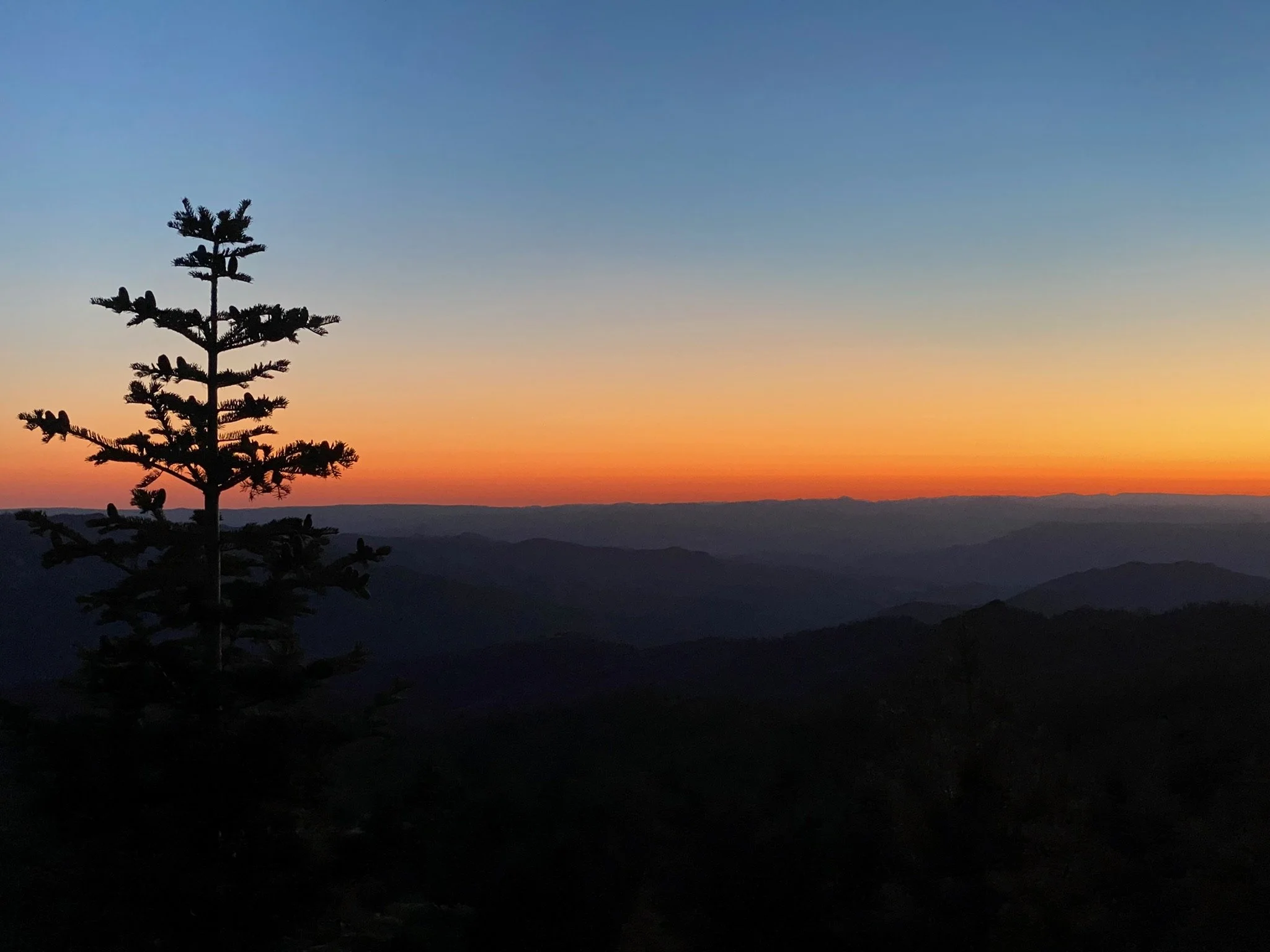
Early morning light in the Ochoco National Forest
What Does Living With Vitality Mean to you?
It’s a question I’ve been sitting with lately, and the answer keeps revealing itself in small, everyday moments.
About ten years ago, I didn’t think about vitality this way.
I was exiting an airplane, walking behind a woman who moved with considerable difficulty down the aisle. When we reached the door, a wheelchair was waiting for her at the top of the ramp. She very slowly turned around, and as she carefully lowered herself into the chair, she looked up at me and, with a deep sigh, said:
“Don’t get old. Die young.”
It wasn’t dramatic. It wasn’t said for effect. It was matter‑of‑fact—like a warning from someone who knew exactly what she meant.
I remember thinking, Is that what aging is supposed to be? A gradual narrowing? A slow exit from your own life?
That moment stayed with me. Not because it scared me, but because it clarified something I hadn’t yet put into words. I didn’t want a longer life if it meant being sidelined from it. I wanted to age in a way that kept me participating.
Vitality isn’t perfection. It’s capacity.
For me, vitality isn’t about doing all the “right” wellness things or checking boxes on a lifestyle list. It’s about having the physical, mental, and emotional capacity to show up in my life the way I want to.
Vitality is having enough capacity to make it through a full day as a nanny to three girls ages one through five. It’s the mobility and strength to get down on the floor and play with my granddaughter—and get back up without thinking twice about it.
It’s waking with a clear mind and feeling ready for the day ahead. It’s having more headache‑free days than days ruled by them. It’s nourishing my body with real food, moving it in ways that feel good, and protecting the quiet morning time that centers me before anything else competes for my attention.
It’s the freedom to keep learning, to pursue the creative projects that light me up, and to feel like myself—not the version of me running on empty, but the one grounded in resilience and joy.
Vitality shows up in the moments that make life feel like mine.
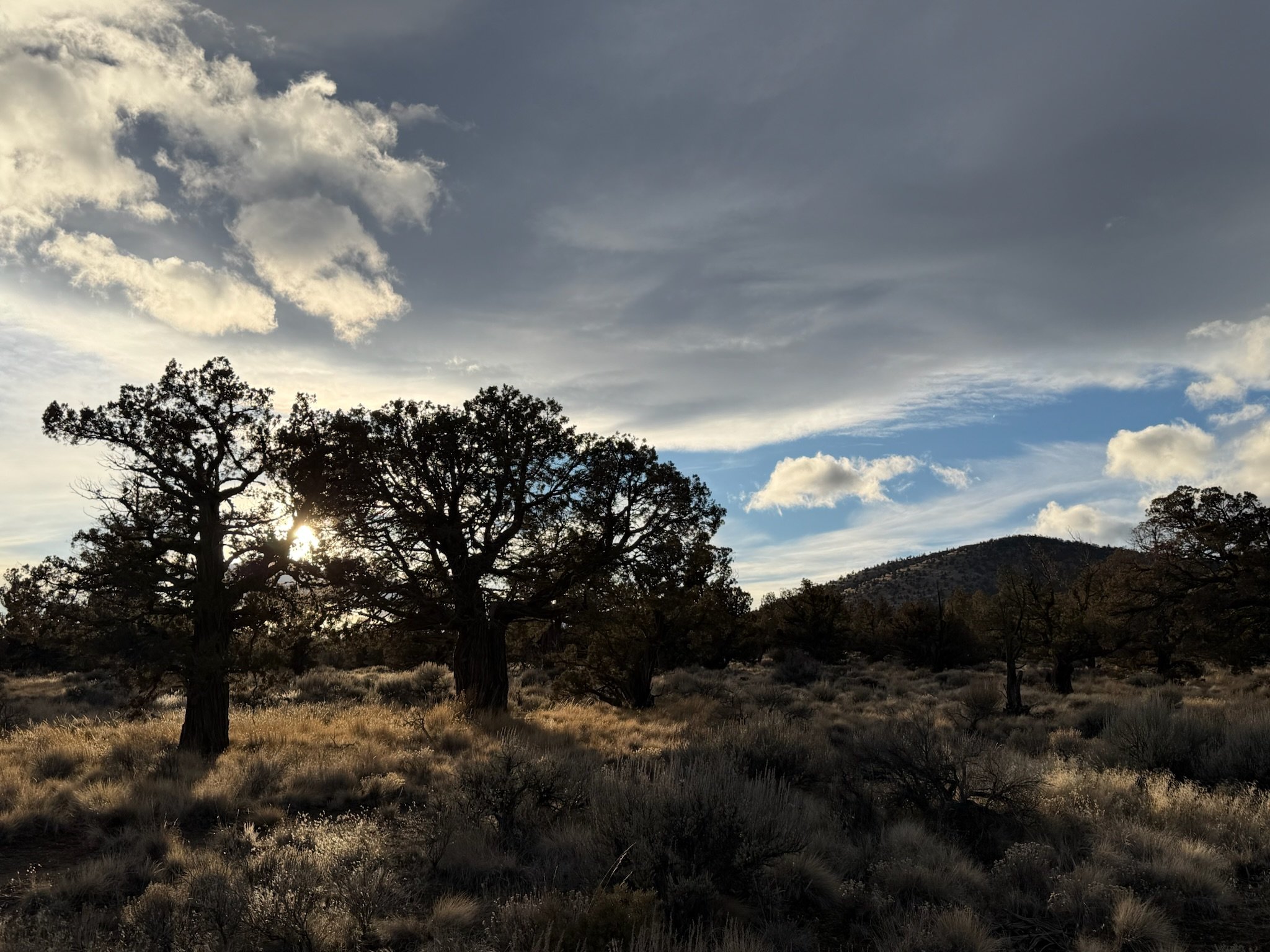
A familiar view of Cline Butte where I hike weekly
Living with vitality is spending a holiday afternoon in the kitchen cooking with my boys, knowing that my body and mind can fully participate in the joy of it rather than simply getting through it.
It’s getting out on a sunny Saturday morning and hiking up the buttes near my home with my husband—feeling the sun, the breeze, and the gratitude of having a body that lets me keep doing the things we love.
It’s spending a weekend with dear friends—sharing memories, cooking delicious meals, and dreaming up future adventures together—and having the presence to really be there for it all.
Those are my moments. Yours might look different.
For you, vitality might be the stamina to travel without exhaustion, the steadiness to manage stress without feeling overwhelmed, the strength to keep up with grandchildren, or the clarity to return to hobbies you set aside years ago. It might be better sleep, fewer aches, more consistent moods, or simply feeling more like yourself again.
And I’ll say this clearly: vitality isn’t one‑size‑fits‑all. For one person it’s strength and stamina. For another it’s steadier moods, better sleep, fewer aches, or feeling more like herself again. For many midlife women, it’s the return of agency—the ability to decide, I want to feel better than this, and to know there’s a path forward.
Vitality is built on purpose—and it’s future‑focused.
Living with vitality is ultimately an act of self‑trust. It’s prioritizing my own care because no one else can do that for me. And if I don’t, I’m the one who feels the consequences—the fatigue, the irritability, the sense of drifting through days instead of inhabiting them.
When I do choose myself, the payoff is felt not just by me but by everyone I love. I show up with more patience, more presence, and more capacity. That’s the version of me I want to keep building—slowly, gently, intentionally.
Living with vitality also means looking ahead with honesty and hope—making choices today that support the way I want to age. It’s tending to my future health so I can maintain my independence, stay active, and keep living life on my terms, not watching it from the sidelines.
If you’re interested in the longer reflection that shaped much of my thinking about this, I shared more in a post I wrote on the anniversary of my mother’s death—but today, I want to stay focused on what vitality looks like in our own lives right now.
Three small ways to protect vitality this week
Nothing here needs to be extreme or perfect. A few small, intentional choices can go a long way.
Choose one non‑negotiable. A walk outside. A consistent bedtime. A real lunch. One thing you protect this week because it supports how you want to feel.
Move in a way that supports your future self. Strength, balance, and mobility matter more with time. It doesn’t have to be long—it just has to be consistent.
Create a little white space. A quiet morning, a pause between commitments, a few minutes without input. Vitality needs room to breathe.
How I support women in defining vitality for themselves
This is the work I do with women in their 50s and 60s. I help them define what living with vitality actually means for them—grounded in their values, their lives, and their hopes for the future.
Together, we connect each woman’s personal why to realistic wellness goals and create habits she can sustain—around movement, nourishment, sleep, emotional energy, and purpose.
As one client shared, “Thérèse helped me articulate my values and who I want to be; connecting your personal ‘WHY’ to your wellness goals is incredibly powerful. She takes a holistic approach to wellness—whether you’re feeling stuck with sleep, exercise, fitness, emotional energy, or all of the above, she can help you move forward.”
If you’re at a point where you’d like support defining what vitality looks like for you and building habits to support it, you can learn more about my Re-Imagine and Reset coaching options here.

Looking ahead — rooted in the present
So I’ll ask you again:
What does living with vitality mean to you?
Where do you feel most alive, and what small shifts could bring more of that into your days?
Vitality is built moment by moment, choice by choice—and it’s never too late to redefine what it looks like for you.